Viberzi
What is Viberzi (Eluxadoline)?
Viberzi (Eluxadoline): Targeted Relief for Irritable Bowel Syndrome with Diarrhea (IBS-D)
Living with **irritable bowel syndrome with diarrhea (IBS-D)** can be frustrating and unpredictable. For many adults, this chronic condition means frequent, urgent trips to the bathroom, abdominal pain, and the constant fear of flare-ups disrupting daily life. Viberzi (eluxadoline) is a medication designed to help restore control and comfort by targeting the underlying bowel symptoms that make IBS-D so disruptive.
Viberzi is a prescription medication approved by the U.S. Food and Drug Administration (FDA) for the treatment of IBS with diarrhea in adults. It belongs to a class of drugs known as **mixed opioid receptor modulators**, which act directly in the gut rather than the brain. Unlike older treatments that only manage diarrhea or cramping, Viberzi addresses multiple symptoms of IBS-D simultaneously, offering a more balanced and targeted approach.
Introduced in 2015, Viberzi represents a newer generation of IBS-D treatments, designed for patients who have not found adequate relief with dietary changes, over-the-counter remedies, or antidiarrheal medications.
What does Viberzi do?
Viberzi helps relieve the key symptoms of irritable bowel syndrome with diarrhea (IBS-D), including frequent loose stools, abdominal pain, urgency, and discomfort. The goal of treatment is to reduce how often and how severely these symptoms occur, helping patients regain control over their bowel habits and quality of life.
Clinical studies have shown that Viberzi can significantly reduce **diarrhea frequency and abdominal pain** in adults with IBS-D when taken as prescribed (FDA, 2023). Many patients report more predictable bowel patterns and less abdominal cramping after several weeks of treatment.
While Viberzi is not a cure for IBS-D, it offers effective symptom management, allowing individuals to engage more confidently in everyday activities without the constant anxiety of sudden digestive distress.
How does Viberzi work?
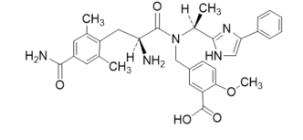
Viberzi works by regulating activity in the guts nervous system, which controls muscle contractions and fluid movement in the intestines. Its active ingredient, eluxadoline, acts on **opioid receptors** located in the digestive tractspecifically, the mu, delta, and kappa opioid receptors.
Heres how it helps:
- Mu-opioid receptor activation slows intestinal movement, reducing diarrhea.
- Delta-opioid receptor antagonism helps prevent excessive constipation that can occur with other opioid-based treatments.
- Kappa-opioid receptor effects may help reduce abdominal pain and discomfort.
This balanced mechanism allows Viberzi to normalize bowel function, improving stool consistency and reducing abdominal pain without causing dependency or affecting the brain like traditional opioids.
Clinically, this dual action is important because IBS-D involves both overactive gut motility and heightened sensitivity. By calming intestinal activity while easing pain, Viberzi helps restore a more natural rhythm to digestion.
Viberzi Side Effects and Warnings
As with any medication, Viberzi can cause side effects, though not everyone experiences them. Most are mild and manageable, but some require prompt medical attention.
Common Side Effects may include:
- Constipation
- Nausea
- Abdominal pain or bloating
- Dizziness
Serious but less common side effects include:
- Pancreatitis (inflammation of the pancreas): This can occur even after the first few doses, especially in patients **without a gallbladder**. Symptoms may include severe upper abdominal pain, nausea, or vomiting.
- Sphincter of Oddi spasm: A rare reaction that can cause sudden abdominal or back pain.
- Severe constipation: If constipation becomes painful or persistent, treatment should be stopped.
Who should avoid Viberzi:
- People **without a gallbladder**, as they are at increased risk of pancreatitis.
- Those with a history of pancreatitis, severe liver impairment, or heavy alcohol use.
- Individuals with biliary duct obstruction or known allergies to eluxadoline.
Patients should seek immediate medical care if they experience severe abdominal pain, nausea, vomiting, or signs of an allergic reaction, such as rash or swelling.
Healthcare providers often monitor patients closely when starting Viberzi to ensure safety and identify any adverse effects early. With proper screening and medical supervision, serious complications are rare.
Viberzi Dosage and Monitoring
Viberzi is a tablet taken **twice daily with food** to aid absorption and reduce stomach discomfort. Dosage is individualized based on liver function, gallbladder presence, and overall health. Take exactly as prescribed; do not adjust or skip doses without consulting a doctor.
Doctors may periodically monitor liver function tests and review any new symptoms to ensure the treatment remains safe and effective.
Special Considerations:
- Older adults or those with mild to moderate liver problems may require dose adjustments.
- Patients consuming over three alcoholic drinks daily should avoid Viberzi due to increased pancreatitis risk.
- Consult your doctor if diarrhea returns or worsens after stopping Viberzi; do not restart independently.
- Never exceed the prescribed dose to avoid serious side effects.
Does Viberzi have a generic version?
As of 2025, **there is no FDA-approved generic version of Viberzi (eluxadoline)** available in the United States. The medication is currently only sold under the brand name Viberzi, manufactured by Allergan (an AbbVie company). However, international versions may exist in other markets.
Insurance may require prior authorization or recommend alternative IBS-D treatments for Viberzi due to cost. Future generic versions will meet the same safety, quality, and effectiveness standards, offering identical results at a lower price.
Conclusion
Viberzi (eluxadoline) offers a modern, targeted approach to managing irritable bowel syndrome with diarrhea (IBS-D), helping patients regain control over symptoms like abdominal pain and frequent diarrhea. By acting directly on opioid receptors in the gut, it works to normalize bowel function while minimizing discomfort.
While the medication is effective for many, its not suitable for everyone, especially those without a gallbladder or with certain liver or pancreas conditions. Open communication with a healthcare provider, careful monitoring, and adherence to dosing instructions are key to using Viberzi safely and effectively.
References
- U.S. Food and Drug Administration (FDA). (2023). Viberzi (eluxadoline) Prescribing Information. Retrieved from accessdata.fda.gov
- Mayo Clinic. (2024). Eluxadoline (oral route) description and side effects. Retrieved from mayoclinic.org
- MedlinePlus. (2024). Eluxadoline: Drug information. National Library of Medicine. Retrieved from medlineplus.gov
- National Institutes of Health (NIH). (2024). Irritable Bowel Syndrome overview and treatment. Retrieved from nih.gov
Approved To Treat
Top Global Experts


Related Clinical Trials
Summary: The primary objectives of this study are to explore the therapeutic effect of eluxadoline in treating irritable bowel syndrome with diarrhea (IBS-D) in pediatric participants 6-17 years of age, to evaluate the pharmacokinetics of eluxadoline in pediatric participants with IBS-D, and to evaluate the safety and tolerability of eluxadoline in pediatric participants with IBS-D. Enrollment of 12-17 yea...
Summary: Irritable Bowel Syndrome (IBS) is one of the major Disorders of Gut-Brain Interaction (DGBI) and the most frequent reasons for referral to both primary care providers and gastroenterologists.IBS is not a life-threatening disease, but imposes a significant burden on society, entailing a decrease in patients' Quality of Life (QoL), elevated rates of psychological comorbidities and loss of work produ...
Related Latest Advances
Brand Information
- unable to tolerate the 100 mg dose of VIBERZI
- receiving concomitant OATP1B1 inhibitors
- with mild (Child-Pugh Class A) or moderate (Child-Pugh Class B) hepatic impairment
- with moderate or severe renal impairment (eGFR less than 60 mL/min/1.73 m
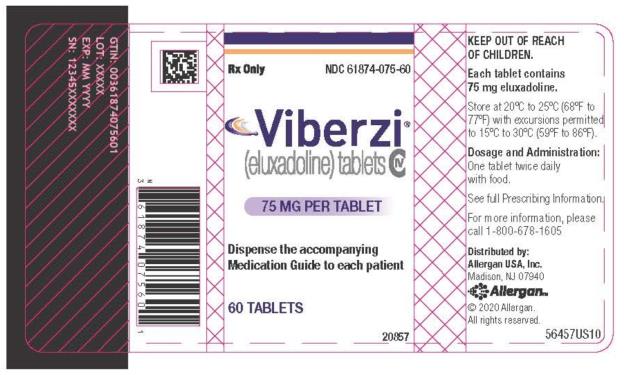
- 75 mg tablets: capsule-shaped tablets are coated in pale-yellow to light tan color debossed with “FX75” on one side. Each tablet contains 75 mg eluxadoline.
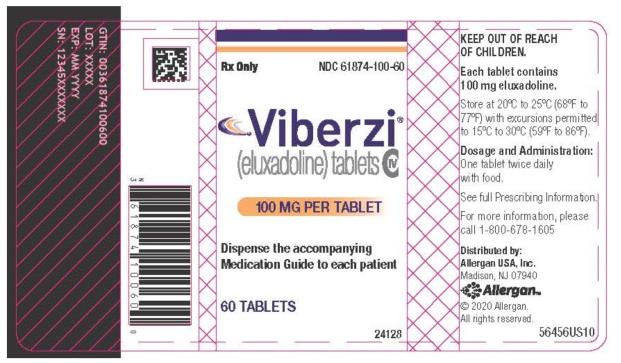
- 100 mg tablets: capsule-shaped tablets are coated in pink-orange to peach color debossed with “FX100” on one side. Each tablet contains 100 mg eluxadoline.
- Without a gallbladder. These patients are at increased risk of developing serious adverse reactions of pancreatitis and/or sphincter of Oddi spasm
- With known or suspected biliary duct obstruction; or sphincter of Oddi disease or dysfunction. These patients are at increased risk for sphincter of Oddi spasm
- With alcoholism, alcohol abuse or alcohol addiction, or in patients who drink more than 3 alcoholic beverages per day. These patients are at increased risk for acute pancreatitis
- With a history of pancreatitis; or structural diseases of the pancreas, including known or suspected pancreatic duct obstruction. These patients are at increased risk for acute pancreatitis
- With a known hypersensitivity reaction to VIBERZI
- With severe hepatic impairment (Child-Pugh Class C). These patients are at risk for significantly increased plasma concentrations of eluxadoline
- With a history of chronic or severe constipation or sequelae from constipation, or known or suspected mechanical gastrointestinal obstruction. These patients may be at risk for severe complications of bowel obstruction
- Pancreatitis
- Sphincter of Oddi Spasm
- Hypersensitivity Reactions
- Constipation
- Among patients receiving 75 mg, 1/807 (0.1%) patient experienced a sphincter of Oddi spasm presenting with abdominal pain but with lipase elevation less than 3 times the upper limit of normal (ULN) and 1/ 807 (0.1%) patient experienced a sphincter of Oddi spasm manifested as elevated hepatic enzymes associated with abdominal pain
- Among patients receiving 100 mg, 1/1032 (0.1%) patient experienced a sphincter of Oddi spasm manifested as pancreatitis and 7/1032 (0.7%) patients experienced sphincter of Oddi spasm manifested as elevated hepatic enzymes associated with abdominal pain
General Disorders and administration site conditions: feeling drunk
Investigations: increased AST
Nervous system: sedation,somnolence
Psychiatric disorders:euphoric mood
Respiratory:asthma, bronchospasm, respiratory failure, wheezing
- an average of worst abdominal pain scores in the past 24 hours of >3.0 on a 0 to 10 scale over the week prior to randomization.
- an average daily stool consistency score (Bristol Stool Scale or BSS) of ≥5.5 and at least 5 days with a BSS score ≥5 on a 1 to 7 scale over the week prior to randomization.
- 75 mg tablets: capsule-shaped tablets, coated in pale-yellow to light tan color, debossed with “FX75” on one side.
- 100 mg tablets: capsule-shaped tablets, coated in pink-orange to peach color, debossed with “FX100” on one side.
- stop VIBERZI immediately and seek medical attention if unusual or severe abdominal pain that may radiate to the back or shoulder with or without nausea and vomiting, develops
- avoid chronic or acute excessive alcohol use while taking VIBERZI
- stop VIBERZI immediately and seek medical attention if symptoms of a hypersensitivity reaction develop
- stop VIBERZI and immediately call their health care provider if they experience severe constipation
- take one tablet twice daily with food
- if they miss a dose, take the next dose at the regular time. Do not take 2 doses at the same time to make up for a missed dose.
- call their healthcare provider if they are unable to tolerate VIBERZI
- not take alosetron with VIBERZI or not take loperamide on a